Kubernetes Starter Guide: Architecture, Concepts & Hands‑On
Kubernetes Starter Guide
What is Kubernetes?
Kubernetes (K8s) is an open‑source container orchestration platform that automates deployment, scaling, and management of containerized applications.
Kubernetes Architecture
Cluster Overview

A Kubernetes cluster consists of a control plane and worker nodes.
Control Plane Components
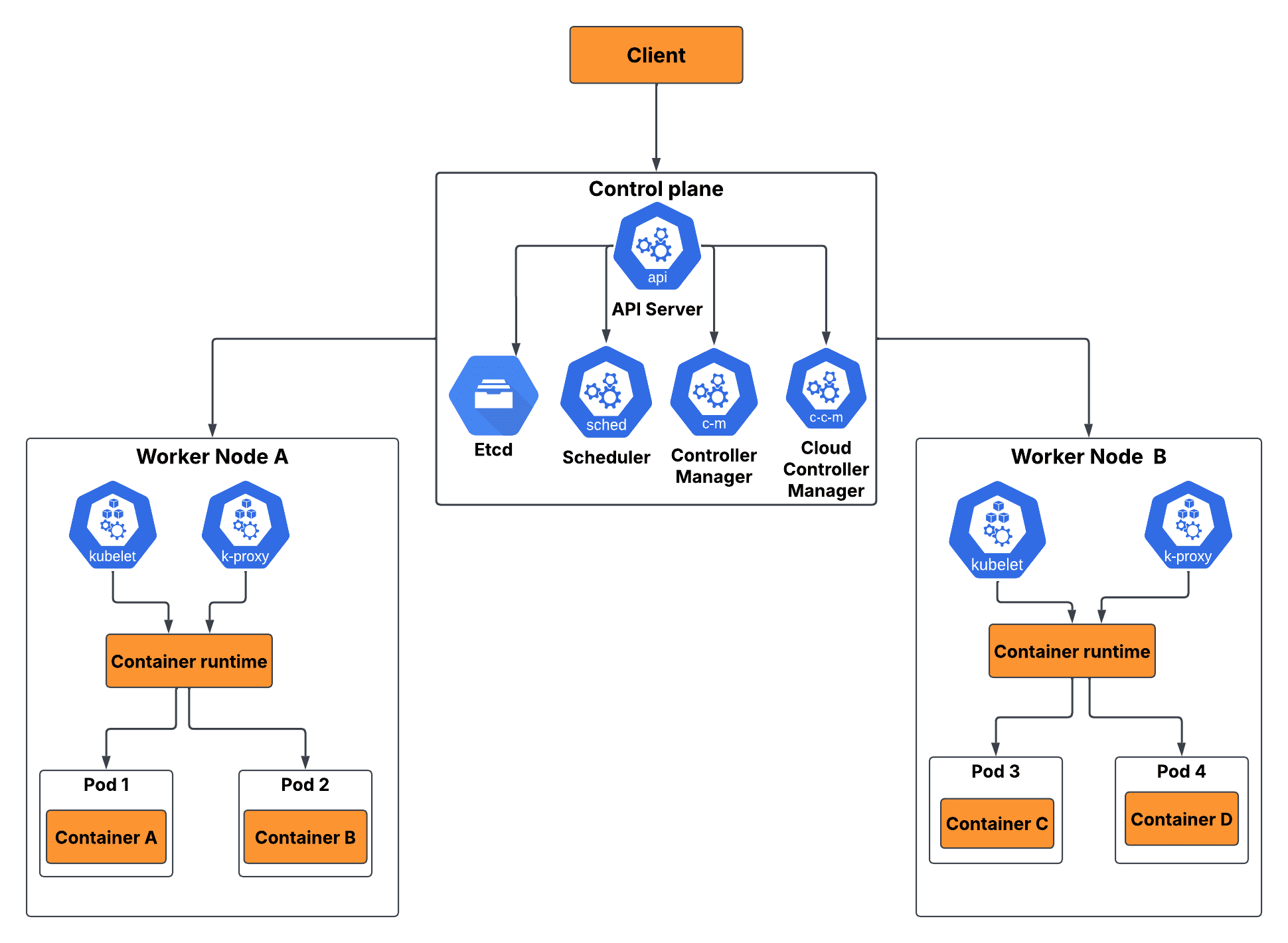
- API Server
- etcd
- Scheduler
- Controller Manager
Worker Nodes & Pods
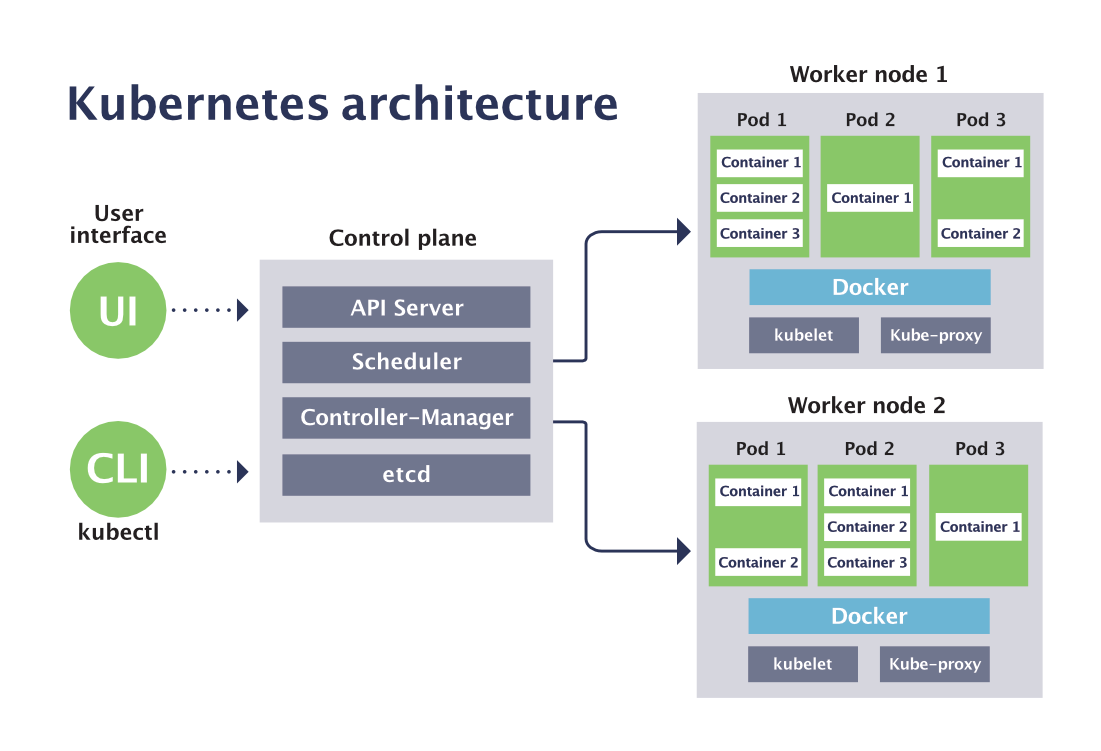
- Nodes run workloads
- Pods are the smallest deployable unit
- Pods contain one or more containers
Core Kubernetes Objects
Pods
Run containers with shared networking and storage.
Deployments
Manage replicas, rolling updates, and self‑healing.
Services
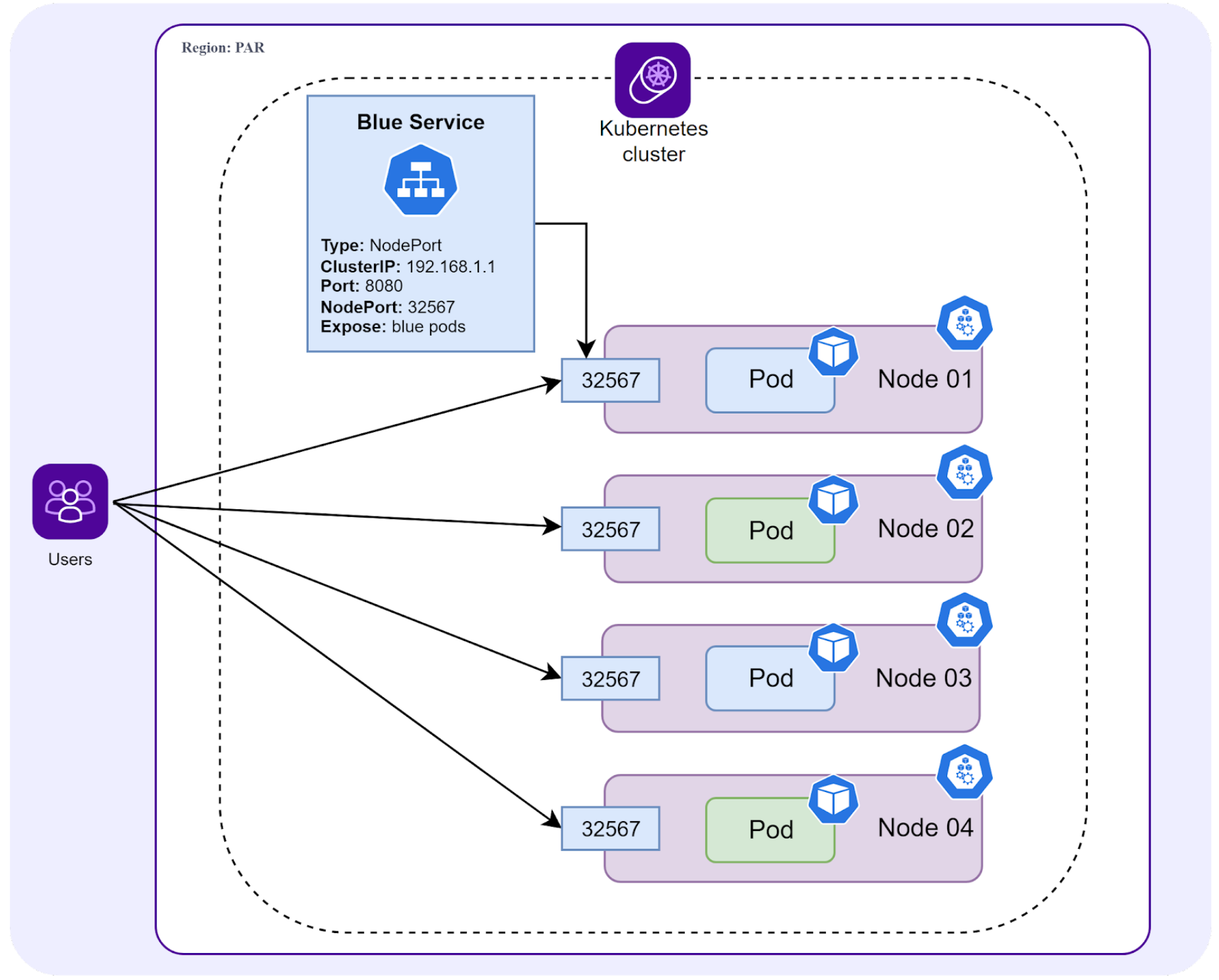
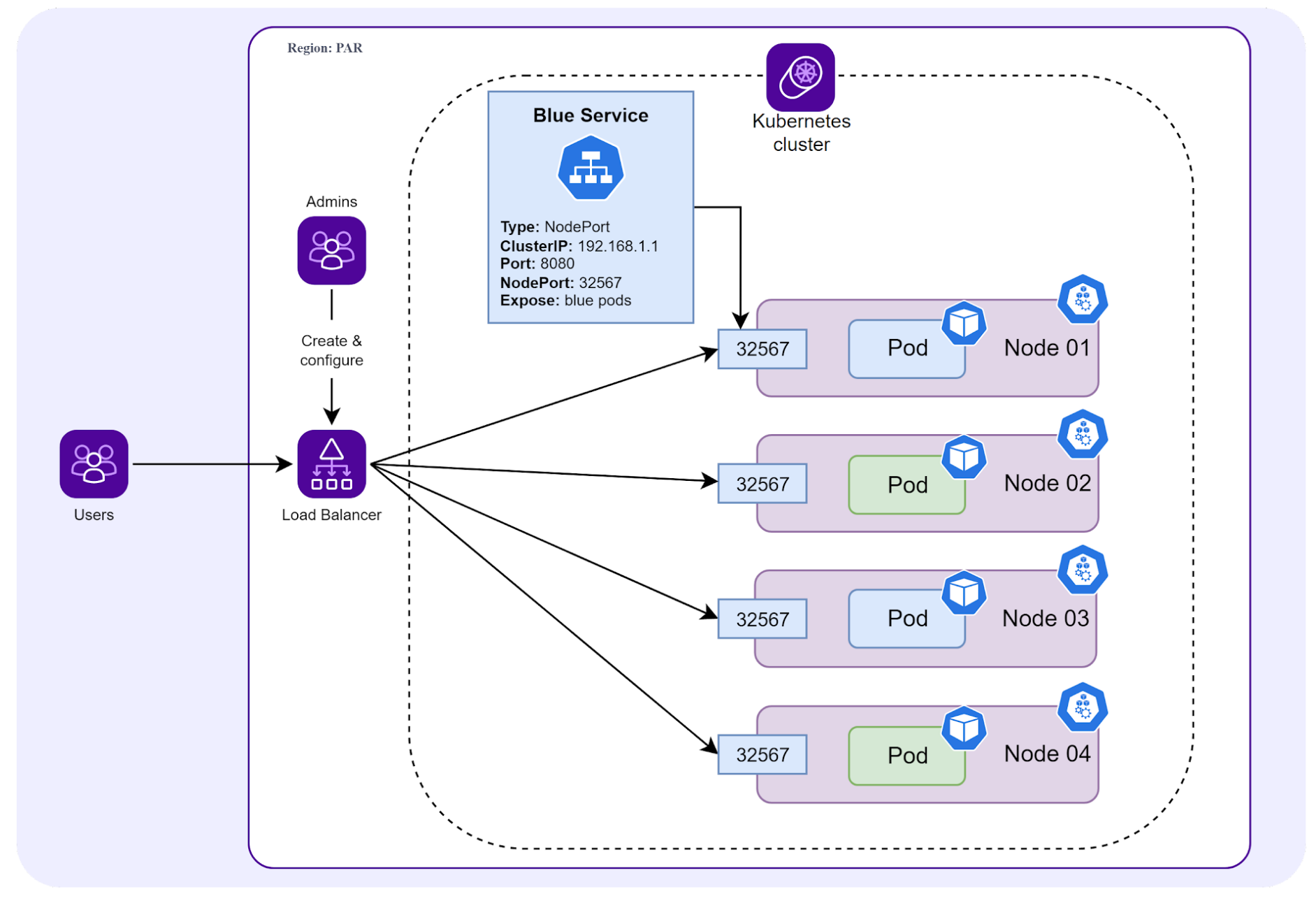
Expose applications and provide stable networking.
Configuration & Secrets
- ConfigMaps for configuration
- Secrets for sensitive data
kubectl Cheat Sheet
kubectl get nodes
kubectl get pods -A
kubectl create deployment nginx --image=nginx
kubectl scale deployment nginx --replicas=3
kubectl expose deployment nginx --port=80 --type=LoadBalancer
Real World Use Cases
- Microservices platforms
- CI/CD pipelines
- Auto‑scaling applications
- Hybrid and multi‑cloud systems
Beginner Learning Path
- Learn Docker basics
- Run Minikube or k3s
- Practice Pods & Deployments
- Understand Services & Ingress
- Explore Helm & GitOps
Kubernetes vs Alternatives
| Feature | Kubernetes | Docker Swarm | Docker Compose |
|---|---|---|---|
| Scaling | High | Medium | Low |
| Self‑Healing | Yes | Limited | No |
| Production Ready | Yes | Partial | No |
Conclusion
Kubernetes provides a robust platform for running distributed applications reliably and at scale.